
Are you pregnant here on the island and worried you won’t be able to find a provider you can comfortably communicate with? It’s one of the first questions I hear from families who’ve recently moved here, and I’d love to give you a few tips to help you on your search.
To begin…yes, English-speaking providers exist here in Puerto Rico, but finding one that’s right for you will likely take a bit more effort than you may have expected, and isn’t exactly straightforward.
Why the usual search doesn't work
Back in the states, you’d probably start with your insurance directory, filter for language, and call a few offices. Here, that approach doesn’t exactly work. Provider directories on the island are often outdated. Listed phone numbers ring to offices that have moved or you get a hold of someone only to be quickly hung up on. “English spoken” in a directory can mean anything from full fluency of the entire office staff to just the provider–meaning the receptionist may simply take your name over the phone.
There’s also a distinction you’ll want to understand early. A provider who speaks conversational English is not the same as a provider who can explain a complication, walk you through informed consent, or discuss your options during labor when you’re exhausted and frightened. That nuance is often what families are aiming to understand before choosing a provider.
Where families actually find providers here
Word of mouth! This beats every directory. The expat and military parenting communities here are small and generous with information. Facebook or Whatsapp groups for families in your region — Rincón, Dorado, San Juan, Aguadilla — will get you further in an afternoon than a week of online searching. Ask specifically: not “who’s a good OB” but “who explained things well to you in English when it mattered?”
Ask directly, in the first call. A question I recommend to every family: “If something unexpected happens during my labor, who will be explaining it to me, and in what language?” The answer tells you a great deal. Some offices are wonderfully honest about their limits.
Consider your region carefully. The west coast, the San Juan metro area, and Dorado each have different provider landscapes. Where you live may shape your options more than you’d like to think. Some families choose to travel for prenatal care, and that’s a legitimate decision — but it’s one to make deliberately, not determine at thirty-two weeks into your pregnancy.
Remember that hospital staff are separate from your provider. This surprises people. You may have a perfectly bilingual OB and still spend your labor with nurses who don’t feel comfortable or confident explaining things in English. It’s important to remember that your provider isn’t in the room for most of your labor.
What to ask before you commit
Though it may be difficult to get through to a medical office and eventually get your first appointment scheduled, it’s important that you use that time to get some important questions answered before making them your provider:
– Who covers your practice when you’re unavailable, and do they speak English?
– Which hospital do you deliver at, and what’s the language situation with the nursing staff and pediatric team (the people who will see and discharge your baby from the hospital) there?
-Do you and the hospital allow doulas in labor?
– If I bring a written birth plan, will it be read and honored?
– How do you prefer to communicate between appointments — and in what language?
None of these questions are rude. Good providers appreciate them, because a family who understands what’s happening is a family who is easier to care for.
What if you can't find a fluent provider?
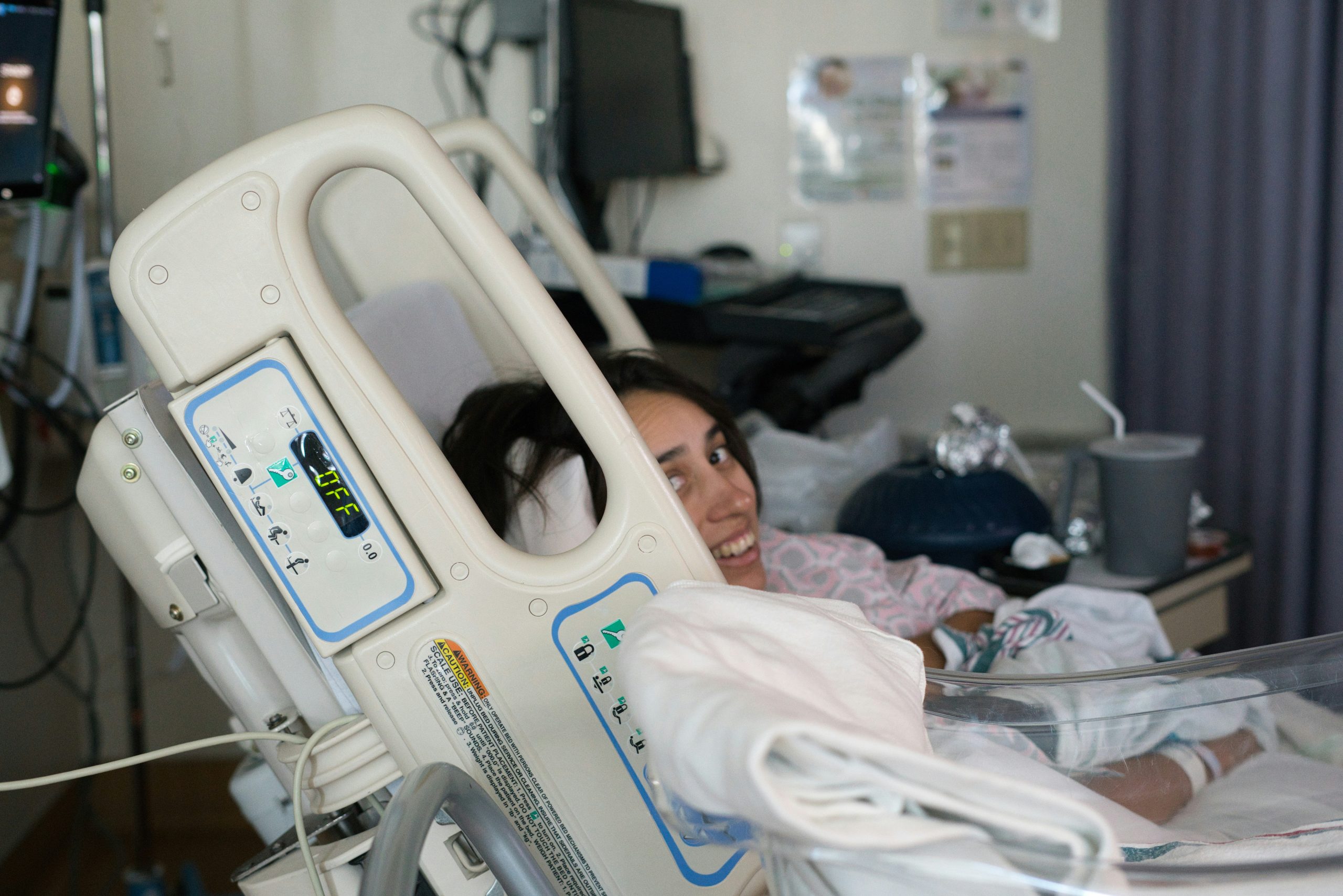
This can happen, depending on where you are on the island. Some of the best care here can come from providers whose English is limited. What this means is that you’ll want to think about what type of additional support you’ll need to have the best possible outcome.
You’ll want someone in the room who can bridge the gap — a bilingual partner, a doula who works in both languages, or a family member who can stay present and calm. You’ll want to do more preparation ahead of time, so that fewer things need explaining in the moment. You’ll also want your questions written down in both languages before you arrive.
A note on learning the language
I’d gently encourage this even though it’s not what anyone wants to hear at twenty weeks. You don’t need to be completely fluent, but you do need to have a grasp of a few phrases and words that will help you express yourself and ask questions. You need maybe forty words — the vocabulary for pregnancy, pain, and your body. Contraction. Push. Blood. Wait. It’s a small investment that pays off in a moment you can’t predict.
If you’re in the middle of this search and feeling stuck, I’d genuinely love to talk it through with you. I’ve spent years navigating this system myself and alongside families here. I know which questions you really need to ask early and what you can expect as standard of care here. You can reach out to schedule a consult, and we’ll map out your options together.
Reach out!
Fill out the contact form below and we can set up a free consult call.